
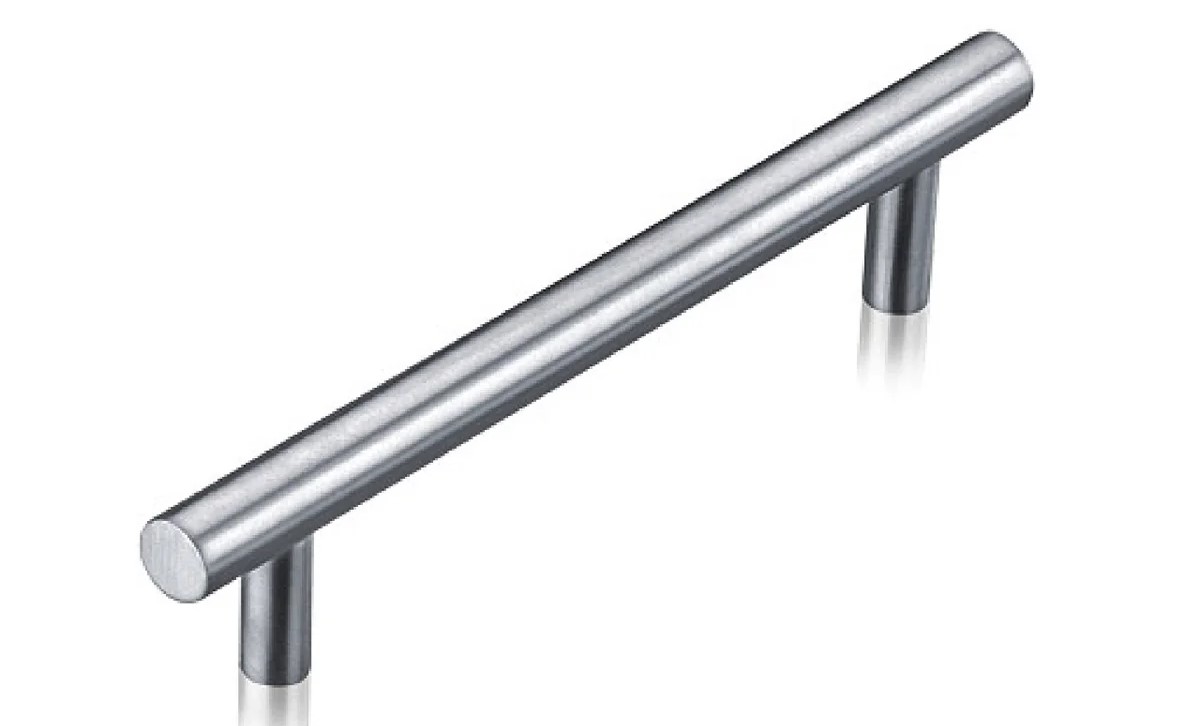
DOOR HANDLE
Door handle usage involves gripping and turning or pushing/pulling to operate a latch or lock, allowing easy access for entry/exit while providing security and privacy, with different types (levers, knobs, pulls) offering varied aesthetics, functionality, and accessibility for rooms, cabinets, and main entryways. Read More..
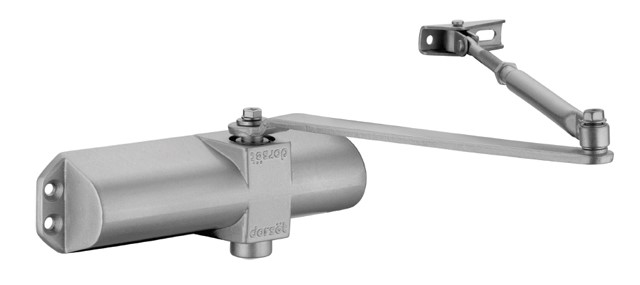
DOOR CLOSE
Door close usage involves mechanical devices that automatically and smoothly shut doors, enhancing safety (preventing slams, fire/smoke containment, security) and efficiency (energy, noise reduction) in homes, businesses, and public buildings, controlling speed and force for accessibility and compliance, with common uses in commercial settings, healthcare, schools, and even residential storm doors. Read More..
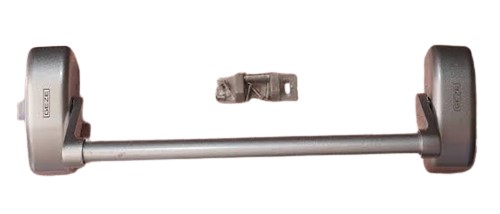
PANIC BAR WITH TRIM
A panic bar with trim allows for emergency exit from the inside (by pushing the bar) and controlled entry from the outside using different trim types like a lever handle, thumb piece, or pull handle, often requiring a key or staying unlocked (dogged) during business hours, perfect for high-traffic public buildings needing both security and instant egress. Read More..
FLUSH BOLT
Flush bolt are discreet door hardware installed in the edge of a door (usually the inactive leaf of a double door set) to lock it by extending a bolt into the frame header or floor, providing security without protruding hardware; they are essential for fire-rated doors and come in manual or automatic versions for clean aesthetics and consistent function. Read More..

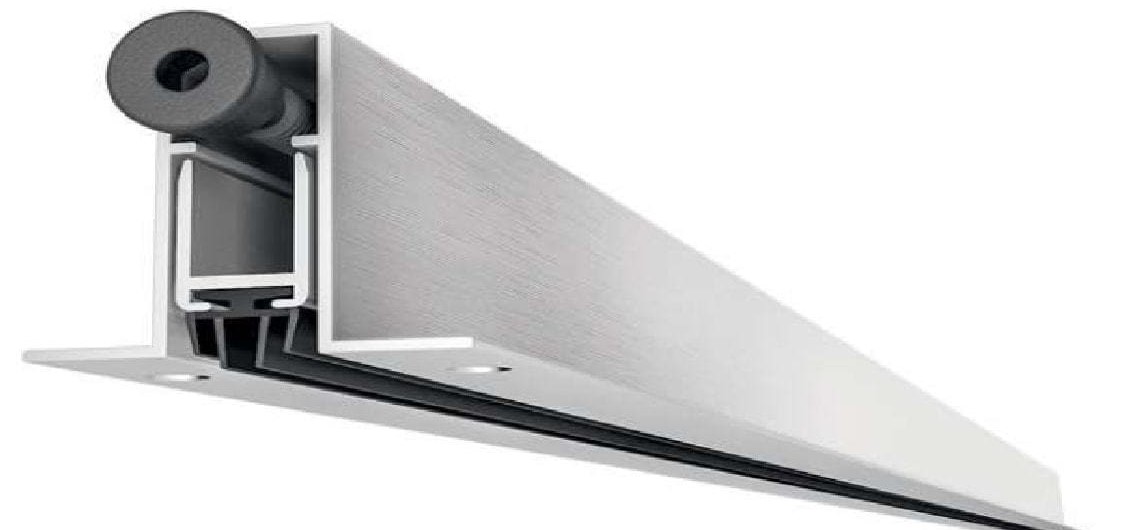
DROP SEALS
Drop seals are automatic door bottom seals that close the gap between a door and the floor when the door is shut, providing crucial protection against noise, smoke, fire, draughts, dust, and pests, enhancing energy efficiency and comfort, and are used on interior and exterior doors, often mortised into the door for a seamless look, or surface mounted, adapting to uneven floors. Read More..
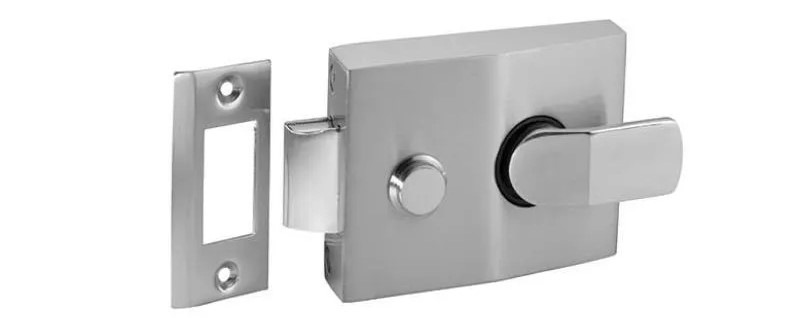
LATCH LOCK
Latch locks use a spring-loaded or sliding bolt that automatically catches a strike plate in the door frame to keep doors closed, offering convenience and basic security for interior doors, cabinets, or gates, but requiring a key or handle turn to retract the bolt for opening from the outside, unlike a deadbolt which needs deliberate action to lock. Usage involves simply closing the door to engage the latch (for basic closure) or turning a handle/key to retract it, with variations like sliding bolts for bathrooms or cam latches for cabinets. Read More..
HINGES
Hinges are fundamental mechanical joints allowing controlled movement (swinging, pivoting) in countless applications, from household doors, cabinets, and windows to heavy industrial machinery, vehicles, and even medical equipment, serving to connect parts, provide support, and enable smooth opening/closing actions. Read More..
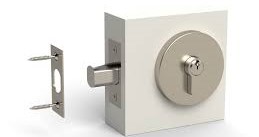
DEAD LOCK
Deadlock usage refers to situations where multiple processes, threads, or entities are stuck waiting for each other to release resources, causing a standstill, like a traffic jam or database transactions blocked by circular resource requests, while in physical security, a deadlock (deadbolt) is a high-security lock requiring a key for both locking and unlocking external doors for enhanced protection. In computing, deadlocks occur due to circular waits for resources (e.g., File X/Y) and are managed by prevention, avoidance, or detection. Read More..